
Dacula Lawn Mowing Services
Choose our lawn mowing service for reliable, professional results that keep your yard looking its best all season long. Our experienced team uses top-quality equipment and pays attention to every detail, ensuring your lawn is healthy, beautiful, and the envy of the neighborhood.
Get a Free QuoteOur Dacula Landscaping & Yard Care Services
When to Schedule Lawn Mowing in Dacula, Georgia – Seasonal Guide
In Dacula, Georgia, the timing of your lawn mowing routine is crucial for maintaining a healthy, vibrant yard. The region’s humid subtropical climate means that grass growth surges in spring and early summer, especially after the last frost date, which typically falls in late March. Neighborhoods like Apalachee Heritage and Hamilton Mill often see lush growth as temperatures rise and rainfall increases, making it essential to adjust mowing frequency accordingly.
Local environmental factors such as the risk of summer drought, varying soil types from clay-rich to sandy loam, and the amount of shade from mature trees all play a role in determining the best mowing schedule. For example, properties near Little Mulberry Park may experience more shade and moisture retention, while open lots closer to Dacula Park might dry out faster. Monitoring these conditions, along with municipal guidelines and seasonal weather updates from resources like the Town of Sudbury, helps ensure your lawn receives the care it needs throughout the year.
Local Factors to Consider for Lawn Mowing in Dacula
- Tree density and shade coverage, which affect grass growth rates
- Terrain variations, including slopes and drainage patterns
- Seasonal precipitation and risk of drought
- Soil composition (clay, loam, or sandy soils)
- Local municipal restrictions or recommended mowing periods
- Proximity to landmarks such as Little Mulberry Park or Dacula Park
Benefits of Lawn Mowing in Dacula

Professional Lawn Care Expertise
Consistent and Reliable Scheduling
Enhanced Curb Appeal
Time and Effort Savings
Healthier, Greener Lawns
Locally Trusted Landscaping Team
Dacula Lawn Mowing Types

Standard Lawn Mowing
-
Mulching Mower Service
-
Bagging Grass Clippings
-
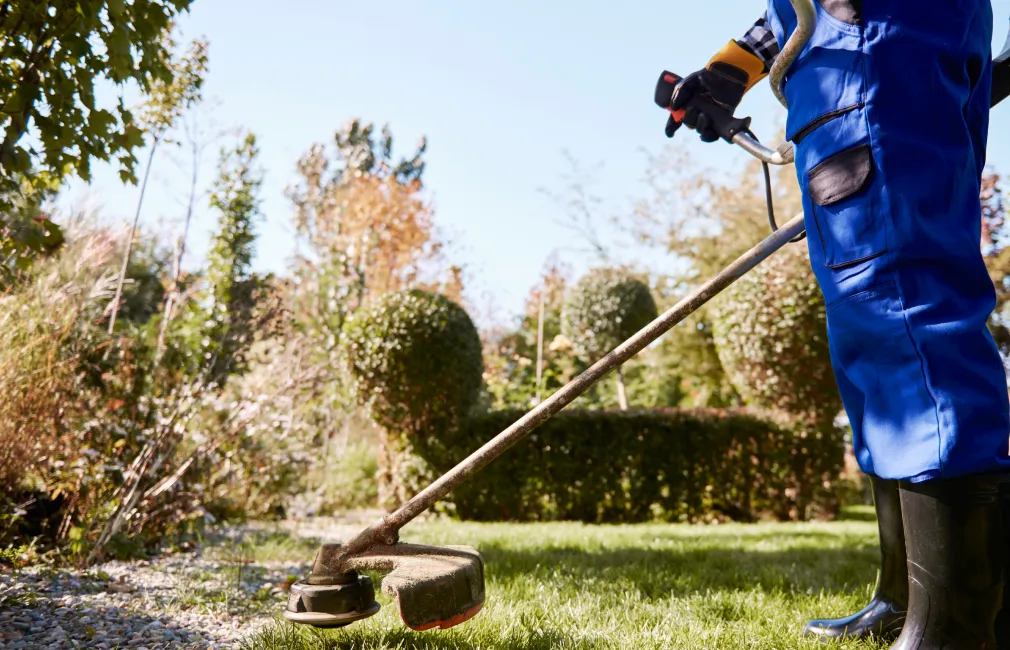
Edging and Trimming
-
Seasonal Mowing Schedules
-
Commercial Property Mowing
-
Residential Lawn Maintenance
Our Lawn Mowing Process
Site Evaluation
Lawn Preparation
Mowing Execution
Edging and Trimming
Cleanup
Why Choose Dacula Landscape Services

-
Dacula Homeowners Trust Us
-
Expert Lawn Maintenance
-
Reliable Scheduling
-
Competitive Pricing
-
Professional Team
-
Satisfaction Guarantee
-
Personalized Service
Mowing Height Standards and Warm-Season Turf Timing in Dacula
Dacula, Georgia falls within USDA Hardiness Zone 7b, supporting warm-season turf grasses such as Bermudagrass, Zoysiagrass, and Centipedegrass across most residential and commercial properties. According to UGA Cooperative Extension, Bermudagrass should be maintained at 1 to 1.5 inches during active growth, while Zoysiagrass performs best at 1.5 to 2.5 inches. Active mowing season in Dacula typically runs from late April through October, with peak growth requiring weekly or biweekly cuts during June, July, and August. Mowing should cease or be reduced significantly once soil temperatures drop below 55°F in late fall. Cutting more than one-third of the blade height in a single pass stresses turf and increases vulnerability to disease and drought. Property owners should calibrate mower deck heights at the start of each season and verify blade sharpness to prevent tearing, which promotes fungal entry in Dacula's humid Piedmont summers.
Dacula's Piedmont Red Clay Soils and Mowing Compaction Concerns
Soils in Dacula are predominantly Cecil and Appling series — classic Piedmont Ultisols characterized by red clay subsoils, moderate to poor drainage in low-lying areas, and a tendency toward surface compaction under repeated equipment traffic. According to the USDA Web Soil Survey, these soils have low to moderate infiltration rates when compacted, which affects how mowing operations should be managed. Key considerations include:
- Avoid mowing saturated turf, as heavy equipment compresses clay subsoil and creates ruts that persist through the growing season
- Alternate mowing patterns weekly to distribute wheel traffic and reduce compaction channels
- On slopes common to Dacula's rolling Piedmont terrain, mow across the grade rather than up and down to limit erosion and soil displacement
- Compacted areas near driveways and high-traffic zones may require annual core aeration, typically performed in late spring for warm-season grasses
Soil compaction reduces root depth and increases runoff, which directly affects stormwater drainage in residential areas.
Managing Clippings Near Dacula's Stormwater Inlets and Drainage Corridors
Dacula's stormwater infrastructure includes roadside drainage ditches, detention ponds, and storm inlets that connect to local tributaries within the Apalachee River and Yellow River watersheds. Grass clippings discharged into these systems contribute to nutrient loading, algae growth, and reduced drainage capacity — outcomes regulated under the Clean Water Act and monitored by the Georgia EPD Watershed Protection Branch. Residents and lawn care operators in Dacula should follow these practices:
- Direct mower discharge away from curbs, gutters, storm drains, and drainage swales
- Collect or mulch clippings on properties adjacent to detention ponds or roadside ditches
- Never blow or rake clippings into the street where they can wash into inlets during rain events
- Mulching mowers that return fine clippings to the turf surface are preferred near sensitive drainage areas
The City of Dacula provides stormwater education resources through its Dacula Stormwater Awareness program, which outlines pollution prevention responsibilities for property owners.
Dacula Stormwater Awareness Program
City of Dacula, 442 Harbins Road, Dacula, GA 30019
Official Website: Dacula Stormwater Awareness
Dacula Code Enforcement Standards for Grass Height and Nuisance Vegetation
The City of Dacula enforces property maintenance standards through its Dacula Code Enforcement division, which operates under the Dacula Marshal's Office. Residential and commercial properties within city limits are subject to nuisance vegetation ordinances that typically require grass and weeds to be maintained below a defined height threshold — commonly 12 inches in Georgia municipalities, though property owners should verify the current Dacula standard directly with the Marshal's Office. Violations may result in written notices, re-inspection fees, or city-contracted mowing at the owner's expense. Key compliance points include:
- Frontage areas along public rights-of-way are the property owner's maintenance responsibility up to the curb or edge of pavement
- Overgrown lots adjacent to occupied structures may trigger code complaints from neighboring residents
- Rental properties and vacant parcels are subject to the same maintenance standards as owner-occupied homes
- Repeat violations may escalate to formal citation proceedings
Dacula Marshal's Office – Code Enforcement
442 Harbins Road, Dacula, GA 30019
Official Website: Dacula Code Enforcement
Equipment Operation, Noise, and Safety Standards for Dacula Lawn Mowing
Lawn mowing operations in Dacula must account for residential noise sensitivity, roadway safety, and utility clearance requirements. While Dacula does not publish a standalone noise ordinance specific to lawn equipment at this time, Gwinnett County standards and general nuisance provisions apply within city limits. Operators should observe the following professional standards:
- Limit power equipment operation to daylight hours, generally 7:00 a.m. to 8:00 p.m. on weekdays and 8:00 a.m. to 7:00 p.m. on weekends, consistent with common Georgia municipal practice — verify current Dacula-specific hours with the Marshal's Office
- Maintain a minimum 10-foot clearance from overhead utility lines when operating string trimmers or extended-reach equipment
- Use discharge guards and deflectors when mowing near pedestrian sidewalks, driveways, and roadways to prevent projectile hazards
- Operators should wear ANSI-rated eye protection, hearing protection rated at NRR 25 or higher, and steel-toed footwear during commercial mowing operations
- Vehicles and trailers parked on public streets during mowing must comply with Dacula right-of-way access requirements
For fire or emergency safety concerns related to equipment use, Gwinnett County Fire & Emergency Services provides guidance on outdoor equipment hazards.
What Neighborhoods Do We Serve Throughout Dacula, GA?
- Hamilton Mill: A large master-planned community with established Bermudagrass and Zoysiagrass lawns, HOA-maintained common areas, and rolling terrain that requires careful mowing pattern rotation to manage red clay compaction.
- Dacula Park: An established residential area with mature tree canopy creating significant shade pressure, requiring shade-tolerant turf management and frequent clipping removal to prevent thatch buildup.
- Apalachee Farms: A subdivision situated near the Apalachee River corridor, where properties adjacent to drainage easements require careful clipping management to protect downstream water quality.
- Harbins Estates: A mixed-age neighborhood with varying lot sizes and soil conditions ranging from compacted fill near newer construction to more developed topsoil on older parcels.
- Dacula Village / Historic Core: Properties near the original Dacula town center feature smaller lots, older soil profiles, and proximity to roadside drainage ditches that require attentive discharge management during mowing.
- Rabbit Hill Road Corridor: A transitional area between rural and suburban development patterns, with larger lots, wooded edges, and uneven terrain that demands slope-appropriate mowing techniques and equipment selection.