
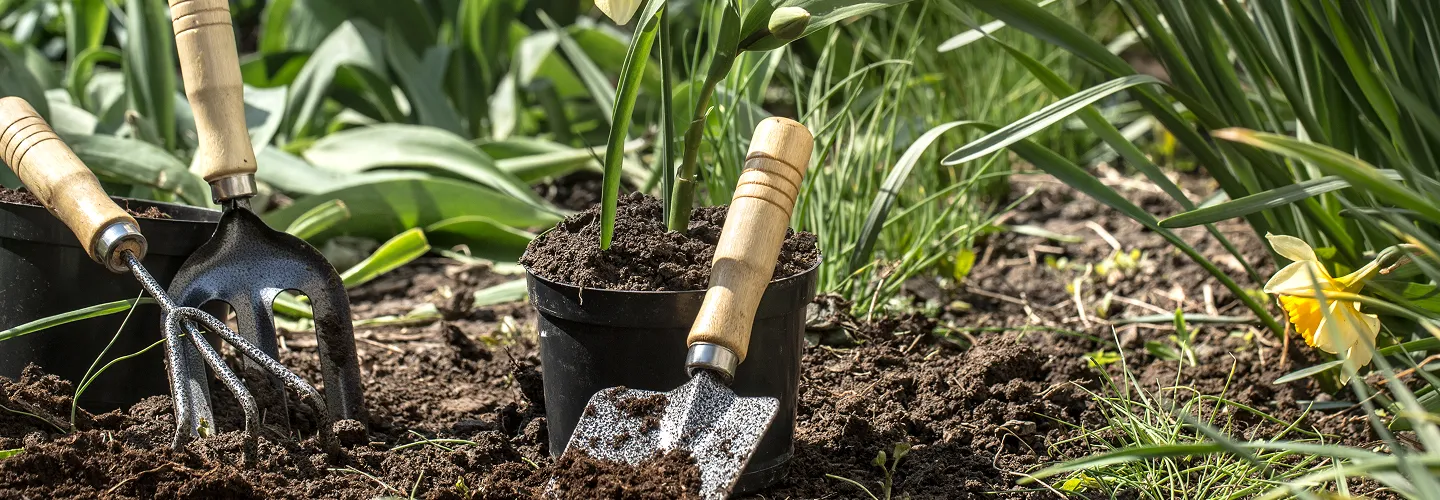
Dacula Flower Bed Maintenance Services
Choose our Flower Bed Maintenance for expert care, healthy blooms, and a beautiful landscape that enhances your home's curb appeal season after season.
Get a Free QuoteOur Dacula Landscaping & Yard Care Services
When to Schedule Flower Bed Maintenance in Dacula, Georgia – Seasonal Guide
In Dacula, Georgia, the timing of flower bed maintenance is crucial for ensuring vibrant, healthy landscapes throughout the year. The region’s climate features hot, humid summers and mild winters, with frost typically ending in late March and returning in early November. This means the optimal windows for planting, mulching, and pruning are early spring and late fall, when soil temperatures are moderate and rainfall is more predictable. Neighborhoods like Apalachee Heritage and Hamilton Mill often experience microclimates due to varying tree density and elevation, so it’s important to tailor your maintenance schedule to your specific location.
Local environmental factors such as clay-heavy soils, periods of drought, and shaded areas from mature oaks and pines can all impact the health of your flower beds. For example, properties near Dacula Park may benefit from additional mulching to retain moisture during dry spells, while homes closer to Harbins Park might need to address excess shade and leaf litter. Always check for any municipal guidelines or seasonal restrictions on watering and landscaping—helpful resources can be found on the Sudbury town website.
Local Factors to Consider for Flower Bed Maintenance in Dacula
- Tree density and shade coverage around your property
- Soil composition (clay, sand, or loam)
- Average precipitation and drought risk
- Frost dates and seasonal temperature shifts
- Terrain and drainage patterns
- Municipal restrictions or neighborhood association guidelines
Benefits of Flower Bed Maintenance in Dacula
Enhanced Curb Appeal
Weed and Pest Prevention
Healthier Plant Growth
Seasonal Color Management
Professional Landscape Expertise
Increased Property Value
Dacula Flower Bed Maintenance Types

Seasonal Flower Planting
-
Weed Control Services
-
Mulch Installation
-
Soil Amendment
-
Pruning and Deadheading
-
Fertilization Programs
-
Irrigation System Maintenance
Our Flower Bed Maintenance Process
Site Evaluation
Weed Removal
Soil Preparation
Plant Care
Mulching
Why Choose Dacula Landscape Services
-
Dacula Homeowners Trust Us
-
Expert Lawn Maintenance
-
Reliable Scheduling
-
Competitive Pricing
-
Professional Team
-
Satisfaction Guarantee
-
Personalized Service
Dacula's Piedmont Red Clay Soils and Flower Bed Drainage Challenges
Dacula sits within Georgia's Piedmont region, where soils are predominantly Cecil and Appling series — dense, red clay-based Ultisols with limited natural drainage and a tendency toward compaction under foot traffic and equipment pressure. According to the USDA Web Soil Survey, these soils typically carry a pH between 5.0 and 6.0, which can restrict nutrient availability for many flowering plants without amendment. Dacula falls within USDA Hardiness Zone 7b, supporting a long warm season but requiring attention to late-spring frost windows that can extend into mid-March. For flower bed maintenance, these soil conditions demand:
- Incorporation of organic matter such as compost to a depth of 6–8 inches before planting
- Annual soil pH testing to guide lime or sulfur applications
- Raised or mounded bed profiles to improve drainage in low-lying areas
- Avoidance of heavy foot traffic on saturated clay beds, which accelerates compaction and root suffocation UGA Cooperative Extension publishes soil amendment guidance specific to Georgia Piedmont conditions and is a reliable resource for bed preparation standards.
Protecting Dacula Stormwater Infrastructure During Bed Mulching and Fertilization
Dacula's stormwater management program addresses water quality concerns tied to residential and commercial landscaping practices, including flower bed maintenance. Mulch displacement, fertilizer runoff, and pesticide drift can introduce pollutants into storm drains that connect to local drainage corridors and downstream water bodies within Gwinnett County's watershed network. The Georgia EPD Watershed Protection Branch establishes water quality standards that apply to nonpoint source pollution from landscaping activities. Property owners and maintenance professionals should observe the following practices:
- Apply granular fertilizers at least 10 feet from storm drain inlets, curbs, and drainage swales
- Avoid fertilizer or pesticide applications immediately before forecast rainfall events
- Secure mulch beds with edging to prevent displacement into gutters and storm drains
- Sweep or blow fertilizer granules off hard surfaces before irrigation Dacula's stormwater awareness resources are available through the city's official portal.
Dacula Stormwater Awareness
City of Dacula, GA 30019
Official Website: Dacula Stormwater Awareness
Seasonal Timing for Flower Bed Maintenance in Dacula's Long Growing Season
Dacula's climate supports an extended warm-season growing window, with average last frost dates around mid-March and first fall frost typically occurring in mid-to-late November. This provides approximately 240 frost-free days annually, according to data from the National Weather Service Peachtree City forecast office, which serves the Gwinnett County area. Effective flower bed maintenance in Dacula should follow a structured seasonal schedule:
- Late February–March: Remove winter mulch, cut back ornamental grasses, and apply pre-emergent weed control before soil temperatures reach 55°F
- April–May: Install warm-season annuals such as vinca, pentas, and lantana after frost risk passes; apply 2–3 inches of pine bark or hardwood mulch
- June–August: Monitor for drought stress; deep watering 1–2 times per week is preferable to frequent shallow irrigation
- September–October: Transition to cool-season annuals such as pansies and snapdragons; divide and relocate perennials before ground hardens
- November–December: Apply fresh mulch layer (2–3 inches) to insulate root zones through winter Timing adjustments may be necessary during drought declarations or periods of elevated heat index.
Dacula Code Enforcement Standards for Bed Maintenance and Frontage Upkeep
Property owners in Dacula are subject to municipal code standards that address the maintenance of landscaped areas, including flower beds along public frontages, rights-of-way, and visible property edges. The Dacula Marshal's Office administers code enforcement activities, including inspections related to overgrown vegetation, debris accumulation, and property maintenance violations. Flower beds that are left unweeded, contain dead plant material, or allow invasive species to spread toward adjacent properties or public rights-of-way may be subject to violation notices. Key compliance considerations include:
- Maintaining bed edges to prevent encroachment onto sidewalks or curb lines
- Removing dead annuals and spent plant material promptly after seasonal transitions
- Controlling invasive species such as English ivy, kudzu, and Chinese privet, which are documented concerns in Gwinnett County per UGA Extension - Invasive Species
- Ensuring mulch does not block drainage swales or accumulate against structures
Dacula Code Enforcement
City of Dacula, GA 30019
Official Website: Dacula Code Enforcement
Georgia Pesticide Licensing Requirements for Professional Flower Bed Weed and Pest Control
When flower bed maintenance involves the application of herbicides, insecticides, or fungicides by a hired professional, Georgia law requires that the applicator hold a valid pesticide license issued by the Georgia Department of Agriculture. The Georgia Pesticide Use and Application Act of 1976 establishes licensing categories, application standards, and record-keeping requirements for commercial pesticide use. Property owners in Dacula should verify that any contractor applying chemical treatments to flower beds holds a current license under the appropriate category, such as ornamental and turf pest control. Relevant compliance points include:
- Requesting proof of Georgia pesticide applicator license before authorizing chemical treatments
- Confirming that product labels are followed for rates, buffers, and re-entry intervals
- Ensuring that pesticide applications near drainage features comply with label restrictions and Georgia EPD water quality guidance
- Reviewing licensing status through the Georgia Department of Agriculture - Licensing, Certification and Employee Registration portal
What Neighborhoods Do We Serve Throughout Dacula, GA?
- Hamilton Mill: A large, established subdivision with mature tree canopy and mixed sun and shade conditions in flower beds; clay soils and HOA frontage standards require consistent seasonal bed rotations and mulch maintenance.
- Apalachee Farms: A well-developed community near the Apalachee River corridor where drainage sensitivity and proximity to water features require careful fertilizer and pesticide management in ornamental beds.
- Dacula Park: An older residential area with compacted urban soils and smaller lot sizes; bed maintenance often involves soil amendment work to address decades of clay compaction.
- Harbins Estates: A newer subdivision with fill soils common to recent Gwinnett County development; drainage variability across lots affects mulch depth and plant selection decisions.
- Rabbit Hill Road Corridor: A transitional area with a mix of wooded lots and open residential properties; shade pressure from mature pines and hardwoods influences plant selection and mulch decomposition rates.
- Dacula Village / Downtown Core: Properties near the historic town center may have older landscape beds with established shrubs and perennials requiring careful renovation rather than full replacement.