
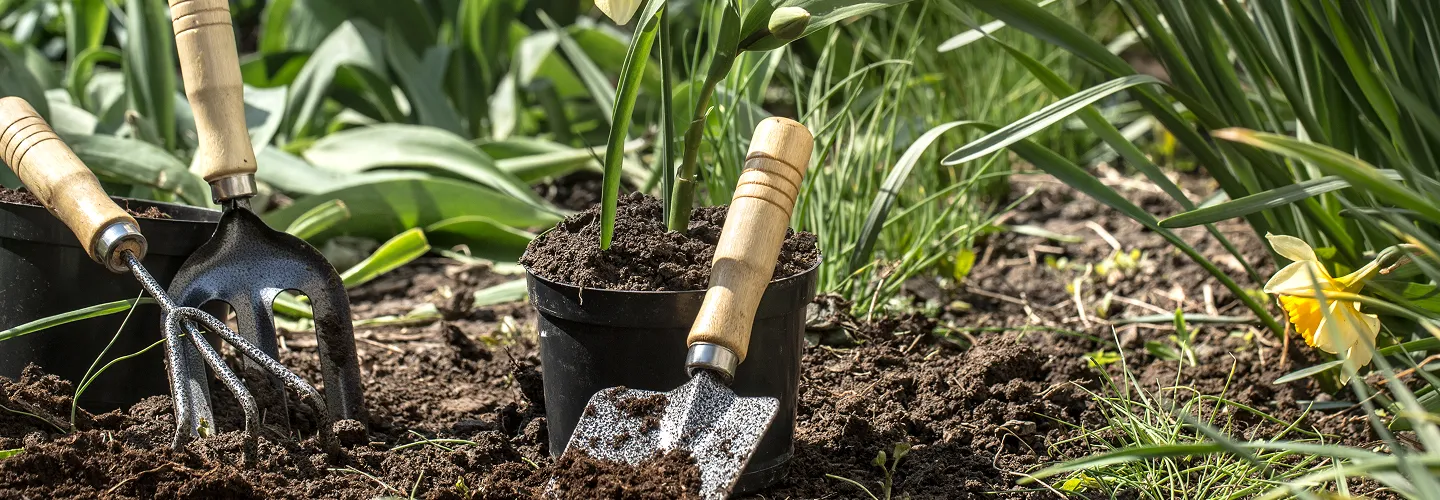
Dacula Flower Planting Services
Choose our flower planting services for vibrant, healthy blooms that enhance your curb appeal and thrive all season long—our experienced team selects the perfect flowers for your space and ensures professional planting for lasting beauty.
Get a Free QuoteOur Dacula Landscaping & Yard Care Services
When to Schedule Flower Planting in Dacula, Georgia – Seasonal Guide
Flower planting in Dacula, Georgia, is best scheduled with careful attention to our region’s unique climate and landscape. The ideal planting windows are typically early spring, after the last frost date in late March, and early fall, when soil temperatures remain warm but the risk of drought diminishes. Neighborhoods near Dacula Park and the Apalachee River often experience microclimates—such as increased shade from mature tree canopies or slightly cooler temperatures—that can influence the timing and success of new plantings.
Local environmental factors play a significant role in determining the best time for flower planting. Dacula’s clay-heavy soils retain moisture but can become compacted, so amending beds before planting is crucial. Humidity levels rise in late spring and summer, increasing the risk of fungal diseases, while periods of drought—especially in areas like Hamilton Mill—require careful irrigation planning. For more information on local planting guidelines and municipal considerations, visit the Sudbury town resources.
Local Factors to Consider for Flower Planting in Dacula
- Proximity to mature trees and resulting shade coverage
- Soil composition and drainage, especially in older neighborhoods
- Average precipitation and seasonal drought risk
- Frost dates and temperature fluctuations
- Terrain slope and erosion potential
- Municipal watering restrictions or landscaping ordinances
Benefits of Flower Planting in Dacula

Enhanced Curb Appeal
Seasonal Color Variety
Expert Plant Selection
Professional Installation
Low Maintenance Solutions
Increased Property Value

Dacula Flower Planting Types

Annual Flower Planting
-
Perennial Flower Beds
-
Native Flower Gardens
-
Seasonal Color Rotations
-
Pollinator-Friendly Plantings
-
Shade Garden Flowers
-
Drought-Tolerant Flower Beds
Our Flower Planting Process
Site Evaluation
Soil Preparation
Plant Selection
Careful Planting
Watering and Mulching
Why Choose Dacula Landscape Services
-
Dacula Homeowners Trust Us
-
Expert Lawn Maintenance
-
Reliable Scheduling
-
Competitive Pricing
-
Professional Team
-
Satisfaction Guarantee
-
Personalized Service
Dacula's Piedmont Red Clay Soils and Bed Preparation for Flower Planting
Dacula sits within Georgia's Piedmont region, where soils are predominantly Cecil and Appling series — dense, red clay-based Ultisols with naturally acidic pH levels typically ranging from 5.0 to 6.0. These soils drain poorly when compacted and can restrict root development for flowering annuals and perennials alike. Before planting, property owners should conduct a soil test through UGA Cooperative Extension to determine pH and nutrient levels. Gwinnett County's UGA Extension office can provide test kits and interpretation guidance. Recommended bed preparation steps include:
- Incorporating 3–4 inches of compost to improve drainage and organic matter content
- Applying lime if pH falls below 5.5, targeting a range of 6.0–6.5 for most flowering species
- Tilling to a minimum depth of 8–10 inches to break compaction layers
- Avoiding bed preparation during wet periods when clay smearing can worsen drainage
Soil data for Dacula parcels can be reviewed through the USDA Web Soil Survey to identify site-specific drainage and texture characteristics before planting begins.
Optimal Flower Planting Windows for Dacula's USDA Zone 7b Growing Season
Dacula falls within USDA Hardiness Zone 7b, with average minimum winter temperatures between 5°F and 10°F. The city's location in Gwinnett County gives it a long warm season, with last frost dates typically occurring in mid-March and first fall frosts arriving in mid-to-late November. This window supports two primary planting periods:
- Spring planting: Mid-March through May for warm-season annuals such as zinnias, marigolds, vinca, and lantana; soil temperatures should reach at least 60°F before transplanting
- Fall planting: September through October for cool-season species including pansies, snapdragons, and ornamental kale, which tolerate light frost and extend color into December
- Perennial establishment: Early spring or early fall planting is preferred to allow root development before summer heat stress
Dacula's summer humidity and heat — with July highs regularly exceeding 90°F — can stress newly planted material. Mulching beds to a depth of 2–3 inches immediately after planting helps retain soil moisture and moderate root zone temperatures. Seasonal timing guidance is available through the USDA Plant Hardiness Zone Map and UGA Cooperative Extension publications on Georgia flower gardening.
Protecting Dacula Stormwater Infrastructure During Flower Bed Installation and Maintenance
Dacula's stormwater management program addresses water quality concerns tied to residential and commercial landscaping activities. Flower bed installation near drainage swales, curb inlets, detention ponds, or roadside ditches requires care to prevent sediment, fertilizer, and pesticide runoff from entering the municipal stormwater system. The city's Dacula Stormwater Awareness program provides guidance on pollution prevention practices applicable to landscaping work. Key precautions during flower planting include:
- Avoiding fertilizer or soil amendment application within 10 feet of storm drains, curb inlets, or drainage channels
- Stabilizing disturbed soil promptly with mulch or ground cover to prevent erosion
- Directing irrigation runoff away from impervious surfaces and drainage inlets
- Storing bagged soil amendments and fertilizers away from areas subject to rainfall runoff
The Georgia EPD Watershed Protection Branch establishes water quality standards that apply to nonpoint source pollution from landscaping activities statewide. Properties adjacent to Dacula's creek corridors and detention features should exercise particular caution, as sediment and nutrient loading can affect downstream water quality in compliance with Georgia Water Quality Standards.
Dacula Stormwater Awareness
City of Dacula, GA 30019
Official Website: Dacula Stormwater Awareness
Dacula Code Enforcement Standards Affecting Flower Bed Placement and Property Maintenance
Property owners in Dacula should be aware that municipal code enforcement standards govern the maintenance of landscaped areas, including flower beds along frontages, rights-of-way, and shared property boundaries. The Dacula Code Enforcement division, operating under the Marshal's Office, investigates complaints related to property maintenance, overgrowth, and zoning compliance. Relevant considerations for flower planting include:
- Plantings within the public right-of-way may require coordination with the city prior to installation
- Beds adjacent to sidewalks or roadways must not obstruct sightlines or pedestrian access
- Overgrown or unmaintained beds may be subject to code violation notices if they create nuisance conditions
- Invasive plant species should be avoided; UGA Extension - Invasive Species provides a current list of species regulated or discouraged in Georgia
Property managers overseeing multiple units or commercial frontages should confirm planting plans with the Dacula Planning Department if landscaping modifications are part of a broader site improvement project, particularly in areas subject to zoning review.
Dacula Code Enforcement
City of Dacula, GA 30019
Official Website: Dacula Code Enforcement
Dacula Planning Department
City of Dacula, GA 30019
Official Website: Dacula Planning Department
Selecting Heat- and Humidity-Tolerant Flowering Plants for Dacula Landscapes
Dacula's climate — characterized by hot, humid summers with average July temperatures above 88°F and annual rainfall averaging approximately 55 inches — demands careful plant selection to ensure long-term bed performance. Species that perform poorly under sustained heat and humidity will decline rapidly, increasing maintenance demands and replacement costs. UGA Cooperative Extension recommends the following categories for Piedmont Georgia landscapes:
- Heat-tolerant annuals: Vinca (Catharanthus roseus), portulaca, celosia, gomphrena, and pentas perform reliably through Dacula's summer months
- Drought-adapted perennials: Black-eyed Susan (Rudbeckia), coneflower (Echinacea), salvia, and daylily tolerate clay soils and summer dry spells
- Shade-adapted species: Impatiens, begonias, and caladiums are appropriate for beds under mature tree canopy, which is common in older Dacula neighborhoods
- Native flowering plants: Species such as native coneflower, wild blue indigo, and butterfly weed support local pollinators and are adapted to Piedmont soil and rainfall conditions
Avoiding species listed as invasive by Georgia authorities is essential. The Georgia EPD and UGA Extension both provide updated guidance on regulated and problematic species in the region.
What Neighborhoods Do We Serve Throughout Dacula, GA?
- Dacula Village / Historic Core: Older residential lots near the city center with established tree canopy and compacted red clay soils; bed preparation typically requires deeper amendment work to overcome decades of soil compaction.
- Hamilton Mill: A large planned community with HOA-maintained common areas and varied lot sizes; flower bed standards may be subject to HOA guidelines in addition to city code, and drainage swales are common throughout the subdivision.
- Harbins Road Corridor: A mix of newer subdivisions and transitional residential properties with fill soils common on recently graded lots; drainage and soil uniformity can vary significantly between parcels.
- Dacula Road / Fence Road Area: Established neighborhoods with mature landscaping and larger lots; wooded edges create shaded bed conditions that favor shade-tolerant flowering species.
- Rabbit Hill Road Neighborhoods: Newer residential developments with varying topography and clay subsoil exposure from grading; erosion control during bed installation is a practical concern.
- Puckett Road / Winder Highway Vicinity: Mixed residential and transitional land use with proximity to drainage corridors; stormwater precautions are particularly relevant for beds near roadside ditches and culverts.