
Dacula Hedging Services
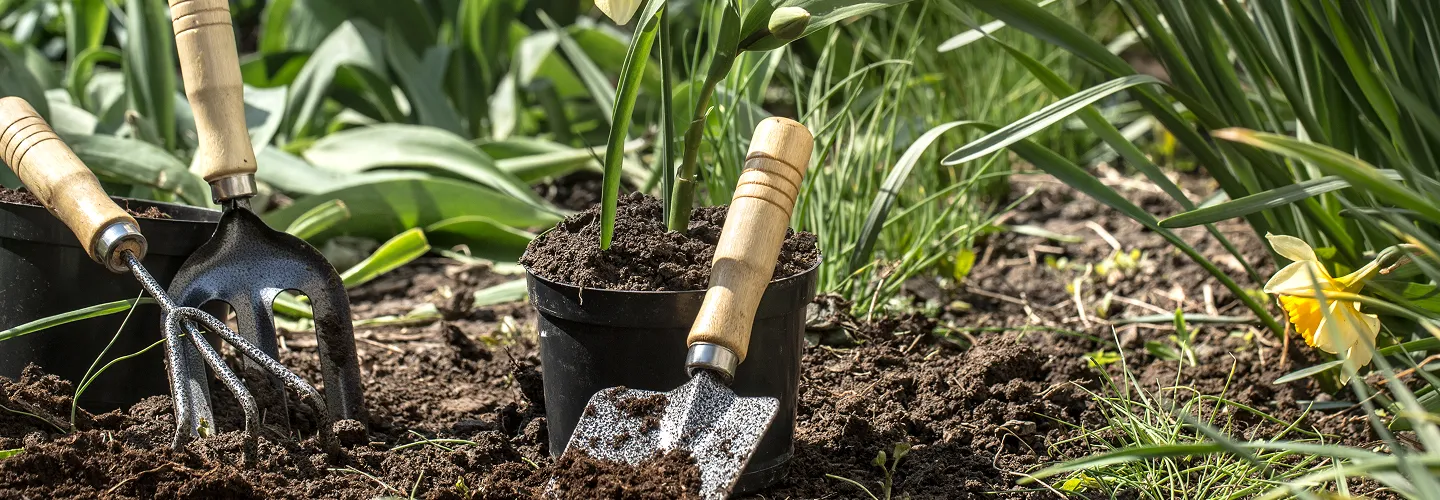
Choose our professional hedging services for expertly shaped, healthy, and beautiful hedges that enhance your property's curb appeal, provide privacy, and require minimal maintenance year-round.
Get a Free QuoteOur Dacula Landscaping & Yard Care Services
When to Schedule Hedging in Dacula, Georgia – Seasonal Guide
In Dacula, Georgia, timing your hedging services is crucial for maintaining healthy, attractive landscapes. The best periods for hedging typically fall between late winter and early spring, just before new growth begins. This timing allows shrubs and hedges to recover quickly and flourish throughout the growing season. Dacula’s climate, characterized by humid summers and mild winters, means that late frosts—often lingering into March—should be considered before scheduling any major trimming. Neighborhoods near Harbins Park or along Hurricane Shoals Road may experience microclimates, with shaded lots or low-lying areas holding onto moisture longer, which can affect optimal hedging windows.
Local environmental factors such as clay-heavy soils, common in the Apalachee Farms area, and the risk of summer droughts also play a role in determining the best time for hedging. Homeowners should be mindful of municipal guidelines and seasonal precipitation patterns, as well as the unique needs of their property. For more information on local regulations and best practices, visit the official town resource.
Local Factors to Consider for Hedging in Dacula
- Tree density and shade coverage, especially in established neighborhoods
- Soil type and drainage, with clay soils requiring special attention
- Seasonal precipitation and drought risk
- Frost dates and temperature fluctuations
- Terrain and slope, which can impact access and equipment use
- Municipal restrictions or HOA guidelines
Benefits of Hedging in Dacula
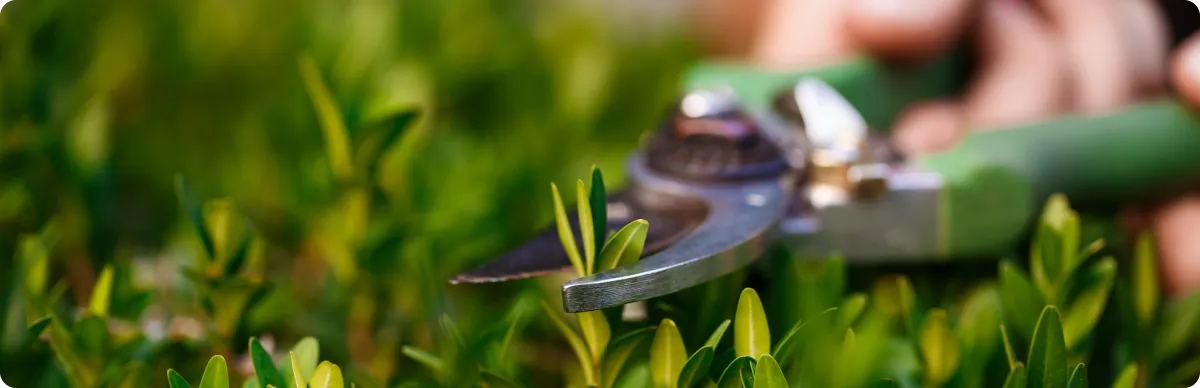
Enhanced Property Value
Improved Curb Appeal
Privacy and Noise Reduction
Expert Local Knowledge
Customized Hedge Solutions
Reliable Year-Round Service
Dacula Hedging Types

Boxwood Hedges
-
Privet Hedges
-
Holly Hedges
-
Loropetalum Hedges
-
Wax Myrtle Hedges
-
Yew Hedges
-
Arborvitae Hedges
Our Hedging Process
Consultation and Planning
Site Preparation
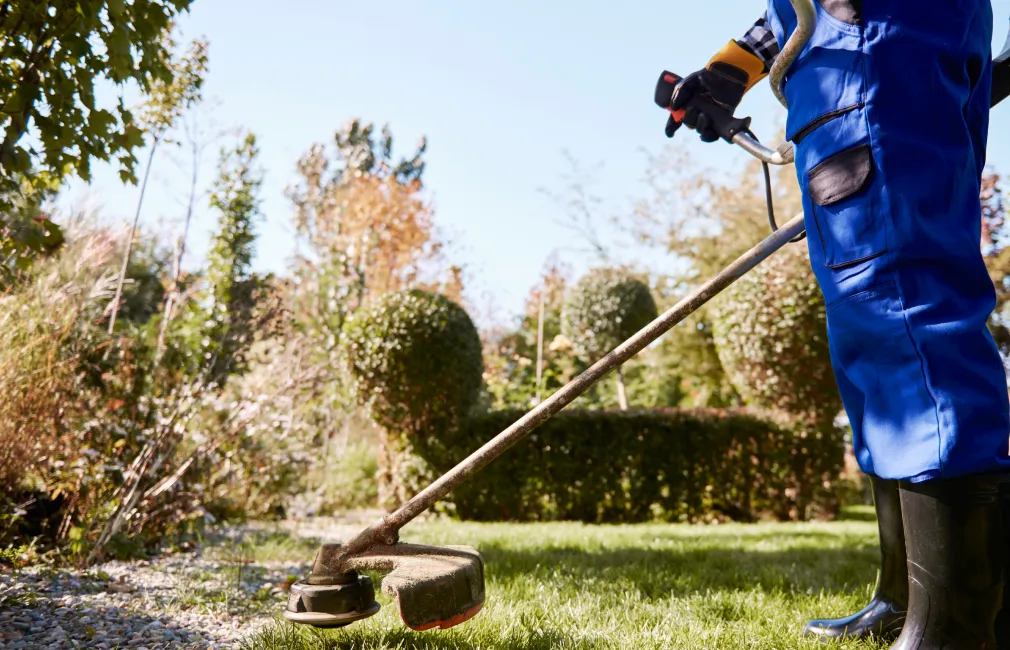
Precision Trimming
Cleanup and Inspection
Why Choose Dacula Landscape Services
-
Dacula Homeowners Trust Us
-
Expert Lawn Maintenance
-
Reliable Scheduling
-
Competitive Pricing
-
Professional Team
-
Satisfaction Guarantee
-
Personalized Service
Hedge Trimming Timing and Dacula's Piedmont Clay Soil Conditions
Dacula, Georgia, falls within USDA Hardiness Zone 7b, situated in the Piedmont region where Cecil and Appling soil series dominate — dense red clay loams with moderate to poor drainage and a naturally acidic pH ranging from 5.0 to 6.0. These soil conditions directly affect hedge root systems and growth rates. Compacted clay limits moisture infiltration, causing hedges to experience both drought stress in summer and waterlogging after heavy rainfall events. According to USDA Web Soil Survey data, Gwinnett County soils frequently exhibit slow permeability below 18 inches, which can stress shallow-rooted hedge species. Practical timing guidance for Dacula hedging includes:
- Late winter pruning (February–March): ideal for dormant-season shaping before spring flush
- Post-flush trimming (late May–June): after initial spring growth hardens off
- Late summer cutback (August): allows regrowth before first frost, typically mid-November
- Avoid heavy pruning after September 15 to prevent frost damage to new growth
UGA Cooperative Extension recommends adjusting pruning depth based on clay moisture levels to avoid tearing root-anchored stems during wet periods.
Dacula Code Enforcement Standards for Hedge Height and Property Maintenance
Property owners in Dacula are subject to municipal code standards governing vegetation maintenance, including hedge height, overgrowth, and frontage upkeep. The Dacula Code Enforcement division, operating under the Marshal's Office, investigates violations related to property maintenance standards, nuisance vegetation, and zoning compliance. Hedges that obstruct sightlines at intersections, encroach on public rights-of-way, or exceed height limits in applicable zoning districts may trigger a formal violation notice. Key compliance considerations include:
- Hedges along road frontages must not obstruct driver visibility at intersections or driveways
- Vegetation encroaching onto public sidewalks or rights-of-way is subject to removal orders
- Residential zoning districts may impose height restrictions on fences and dense screening hedges near property lines
- Repeated violations can result in municipal abatement and cost recovery against the property owner
Property owners should verify current hedge height and setback requirements directly with the Dacula Planning Department before installing new screening hedges along boundary lines or road frontages.
Dacula Code Enforcement (Marshal's Office)
Dacula, GA 30019
Official Website: Dacula Code Enforcement
Protecting Dacula Stormwater Infrastructure During Hedge Debris Removal
Hedge trimming generates significant volumes of clippings, woody stems, and leaf debris that, if left unmanaged, can enter storm drains, roadside ditches, and drainage swales throughout Dacula's residential corridors. The city's stormwater infrastructure connects to Gwinnett County's broader watershed network, which drains toward Yellow River and its tributaries. Under the Clean Water Act and the EPA NPDES Program, municipalities are required to prevent organic debris from entering stormwater conveyance systems. The Dacula Stormwater Awareness program provides guidance on pollution prevention and drainage protection. Residents and contractors should follow these debris management practices:
- Collect all hedge clippings immediately after trimming; do not blow or rake debris toward curb inlets
- Bag or bundle clippings for proper disposal rather than leaving piles adjacent to drainage ditches
- Avoid trimming immediately before forecasted rainfall events exceeding 0.5 inches
- Woody hedge debris should not be burned within city limits without verifying applicable burn ordinances
Dacula Stormwater Awareness
Official Website: Dacula Stormwater Awareness
Selecting Hedge Species Suited to Dacula's Heat, Humidity, and Clay Soils
Choosing appropriate hedge species for Dacula's Piedmont conditions is essential for long-term plant health and reduced maintenance burden. Dacula's summers are characterized by high humidity, temperatures regularly exceeding 90°F from June through August, and periodic drought stress punctuated by intense rainfall. The National Weather Service Atlanta forecast office identifies Gwinnett County as subject to both summer heat advisories and occasional late-season tropical moisture events. Species selection should account for clay soil drainage limitations and disease pressure from fungal pathogens favored by humidity. Recommended and commonly used hedge species for Dacula conditions include:
- Nellie R. Stevens Holly (Ilex × Nellie R. Stevens): heat-tolerant, clay-adaptable, dense screening
- Wax Myrtle (Morella cerifera): native, fast-growing, tolerates wet clay and drought cycles
- Leyland Cypress (× Cuprocyparis leylandii): widely used but susceptible to Seiridium canker in humid conditions — monitor closely
- Loropetalum (Loropetalum chinense): performs well in acidic Piedmont soils with partial shade tolerance
- Inkberry Holly (Ilex glabra): native, tolerates poorly drained clay pockets common in low-lying Dacula lots
UGA Cooperative Extension publishes updated plant selection guides for Georgia Piedmont landscapes, including disease-resistant cultivar recommendations.
Hedge Clipping Disposal and Dacula's Yard Waste Handling Procedures
Proper disposal of hedge trimmings is a practical and regulatory concern for Dacula property owners. Dacula is a small city within Gwinnett County, and residential solid waste and yard debris collection services are coordinated through Gwinnett County's waste management programs rather than a standalone city collection system. Residents should verify their specific collection schedule and accepted materials through Gwinnett County's solid waste division. General yard waste disposal guidance applicable to Dacula properties includes:
- Hedge clippings and woody debris must be separated from household solid waste for yard waste collection pickup
- Branches exceeding 4 feet in length or 4 inches in diameter may require bundling or separate scheduling for bulk pickup — confirm current thresholds with Gwinnett County
- Composting hedge clippings on-site is permitted for non-invasive species; avoid composting material from plants identified as invasive by UGA Extension - Invasive Species
- Dumping hedge debris in roadside ditches, storm drains, or adjacent wooded areas violates both city and county ordinances
Dacula Public Works Department
Dacula, GA 30019
Official Website: Dacula Public Works Department
What Neighborhoods Do We Serve Throughout Dacula, GA?
- Hamilton Mill: A large, established master-planned community with mature Leyland cypress and holly screening hedges along subdivision boundaries; clay-heavy soils and HOA maintenance standards require precise trimming schedules.
- Dacula Park: An older residential area near the city core with smaller lot sizes, established privet and boxwood hedges, and proximity to roadside drainage ditches requiring careful debris containment.
- Apalachee Farms: A newer subdivision with fill soils and younger hedge plantings; compaction from construction activity affects root establishment and trimming recovery times.
- Harbins Road Corridor: Rural-transitional properties with larger lots, mixed native and ornamental hedgerows, and longer frontage requiring extended trimming access along unpaved or narrow road edges.
- Alcovy Trace and surrounding areas: Neighborhoods near Alcovy Road with wooded lot edges and creek-adjacent drainage features; hedge debris management near drainage swales requires particular attention to stormwater compliance.
- Dacula Road Subdivisions: Mid-density residential developments along Dacula Road with a mix of mature and recently installed hedges; sightline compliance at intersections is a recurring maintenance consideration for these properties.